
AI GEO: how to get your company into ChatGPT and other AI assistant answers
Buyers increasingly ask AI instead of searching. What is Generative Engine Optimization, how is it different from SEO, and what can you do today to be visible?
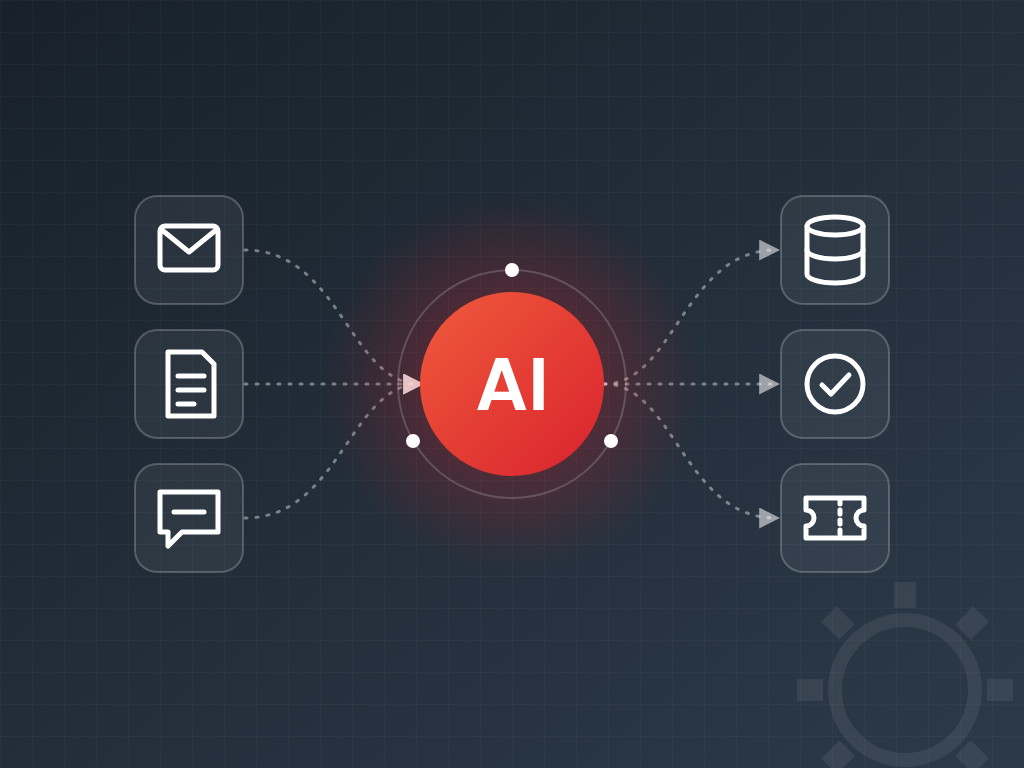
For decades the question was how to get a company onto the first page of Google. Today more and more people do not search – they ask: ChatGPT, Gemini, Claude, Perplexity or Google AI Overviews. These tools do not return ten links but a single summarised answer – mentioning a handful of companies or sources. Generative Engine Optimization (GEO) is about making sure your company is among them.
How is GEO different from SEO?
- Goal: SEO targets your ranking in search results; GEO targets being mentioned and cited in the generated answer.
- Unit: SEO thinks in pages, GEO thinks more in statements and facts – the model pulls in individual, easily quotable sentences and data points.
- Metrics: SEO measures position and clicks; GEO measures mention rate, sentiment and cited sources.
The two are not competitors but complements: many AI search tools rely on web search themselves, so good SEO is a prerequisite for good GEO.
What makes an AI model cite a source?
Based on practical experience and published research on the topic, these factors matter most:
- Clear, factual wording: concrete statements, numbers and definitions – not generic marketing copy.
- Well-structured content: descriptive headings, lists, tables and FAQ blocks.
- Credibility: accurate company details, author, date and references to reliable sources.
- Presence in other sources: industry articles, directories and reviews where your company name appears together with the relevant topics.
- Technical accessibility: content loads quickly, is readable without JavaScript and is not blocked from AI crawlers.
Technical steps you can take today
- Structured data (schema.org): Organization, LocalBusiness, Service, Article and FAQPage markup in JSON-LD helps machines interpret your content.
- Review your robots.txt: decide deliberately which AI crawlers (such as GPTBot, ClaudeBot, PerplexityBot, Google-Extended) you allow. If you block them all, your content cannot appear in their answers.
- llms.txt: a simple Markdown summary file in your site root that points language models to your most important pages. It is a community proposal not every AI provider uses, but it is cheap to create.
- Server-side rendering: important content should already be in the HTML, not loaded only by JavaScript.
- Sitemap and hreflang: mark the language versions of multilingual pages.
GEO is not a bag of tricks. The companies that appear in AI answers are those that publish the clearest, most reliable and most quotable content in their field.
How can it be measured?
Because AI answers vary from question to question and run to run, measurement is statistical. You build a set of questions your potential customers would actually ask ("Which company builds custom CRM systems in Budapest?"), run them regularly across several models, and record whether your brand appears, in what context and based on which sources. The trend over time and your share relative to competitors show whether content changes are working.
Summary
GEO is now where SEO was in the early 2000s: companies that move early can gain a significant advantage. The first step is simple: check what AI assistants answer today to questions about your field – and whether your company is mentioned.